
How Learning Happens
Academic Depth Meets Human Development
Block Hours
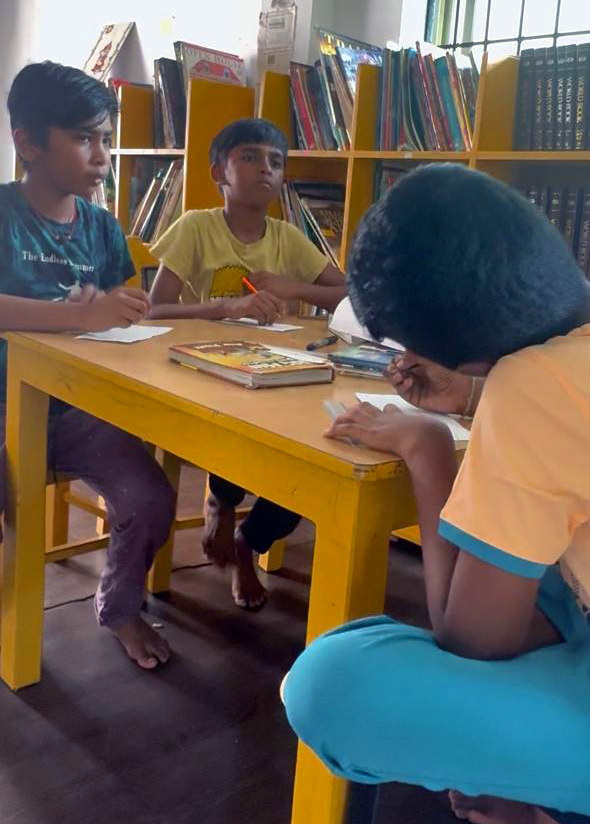
- One subject, for two and a half to three hours at a stretch. Long enough to actually go somewhere with an idea, to get stuck, think it through, and come out the other side.
Active Learning
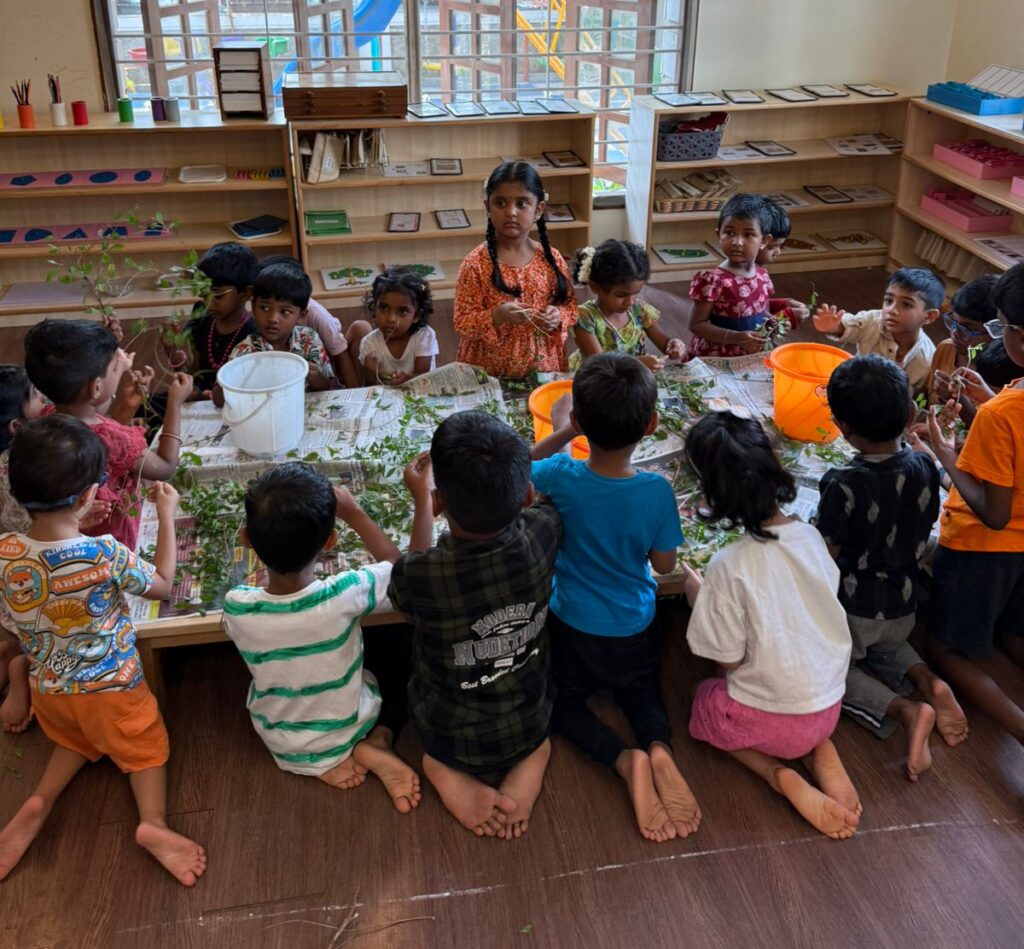
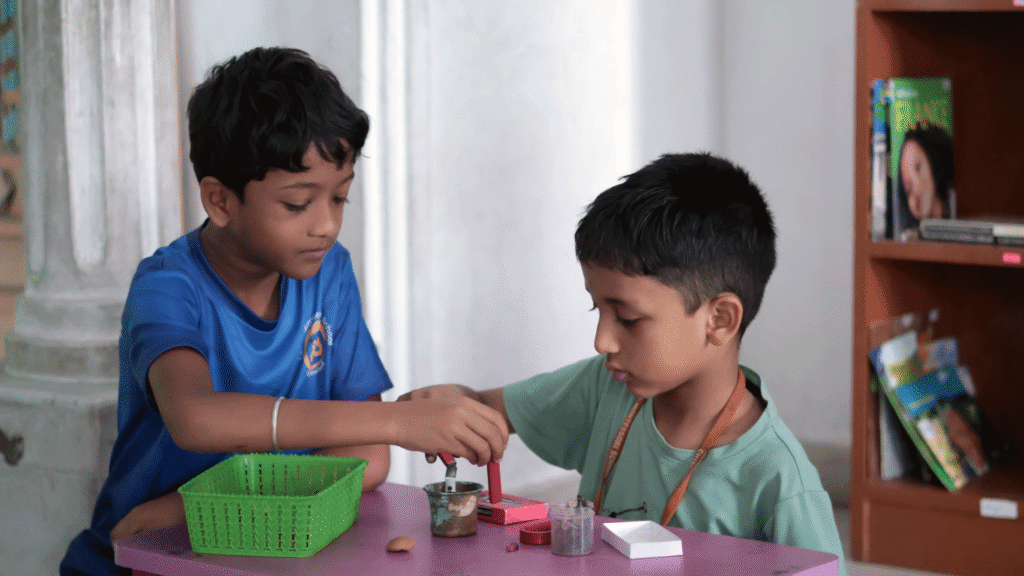
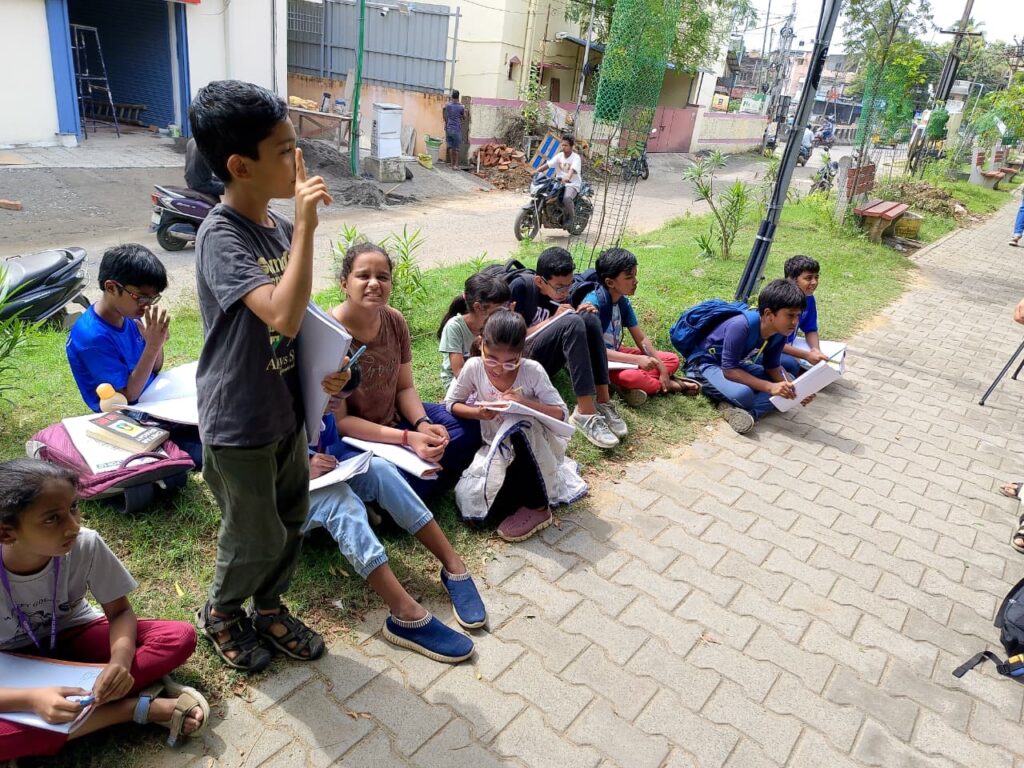
- Children learn through doing before being told, through questioning before being answered, through designing a solution before being given one. Inquiry, collaboration, problem solving — every day, not occasionally.
Integrated Discipline Day
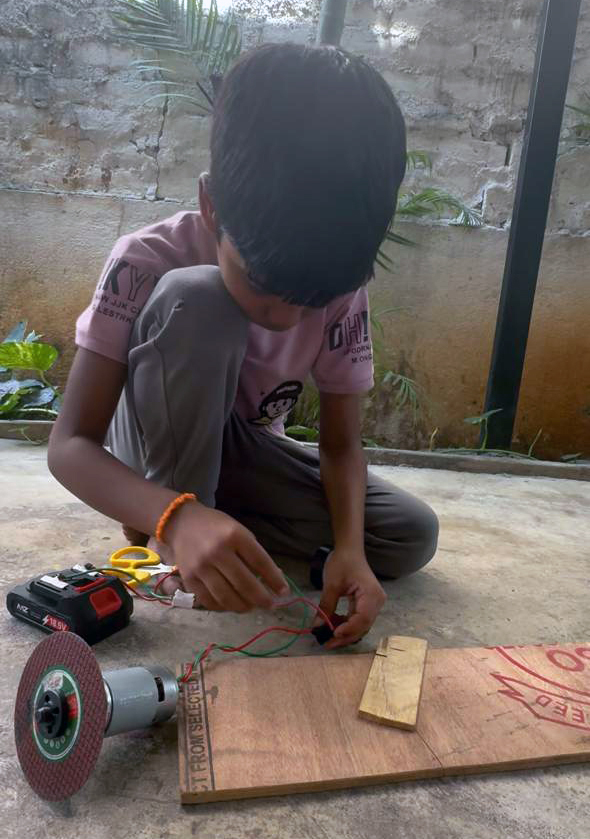
- All subjects dissolve into one project. Children learn through making — building something that requires everything they know at once.
Design Thinking
- woven across all ages — children learn to identify real problems, research deeply, prototype responses, test ideas, and refine them through experience. Over the years, this becomes not just an activity, but a way of thinking and approaching the world.
Entrepreneurship Programme
- Entrepreneurship at Chisel begins as early as age 6, gradually evolving from simple ideas and collaborative making into real-world problem solving, production, and market experiences. Older learners build ventures from the ground up — designing, creating, presenting, and taking their work into real markets with confidence, responsibility, and ownership.
Friday Community Cooking
- Children develop independence, responsibility, collaboration, and respect for everyday work through cooking, serving, cleaning, and caring for a shared space together.What begins in the early years gradually becomes a lived understanding of community, contribution, and self-reliance. The cooking is festival-based, tied to Ayurveda and sustainable living.
Arts, Theatre & Expression
- Theatre, dance, music, fine arts, carpentry, and making are woven into the daily and weekly rhythm alongside academics. Not extracurriculars — part of the day, every day. Hobby clubs run as longer-term pursuits.
Sports — Every Day
- Non-negotiable. Built into the daily structure. We use public parks for daily sports — children are outdoors, in real environments. If a child shows particular aptitude, we connect them with coaches and practitioners in that specific field.
- A Living earning Environment
Inside every block hour, children are not all doing the same thing at the same time.
- Children who are ready for more move into higher concepts independently. Children who need more time work closely with a teacher — not pulled aside, not labelled, but met exactly where they are and taken deeper from there. Both happen in the same room. Neither is made to feel like a difference.
Silence and the inward journey.
- Chisel builds stillness into every week — deliberately, at every age. This is not empty time. For many children, it becomes the most important half hour of the week.
Five to ten minutes of silence held together in a circle.
Half an hour of individual silence — children can read, draw, or simply be, without collaboration or noise.
Half an hour of simply being present. Nothing required. Nothing produced.

Community & Service
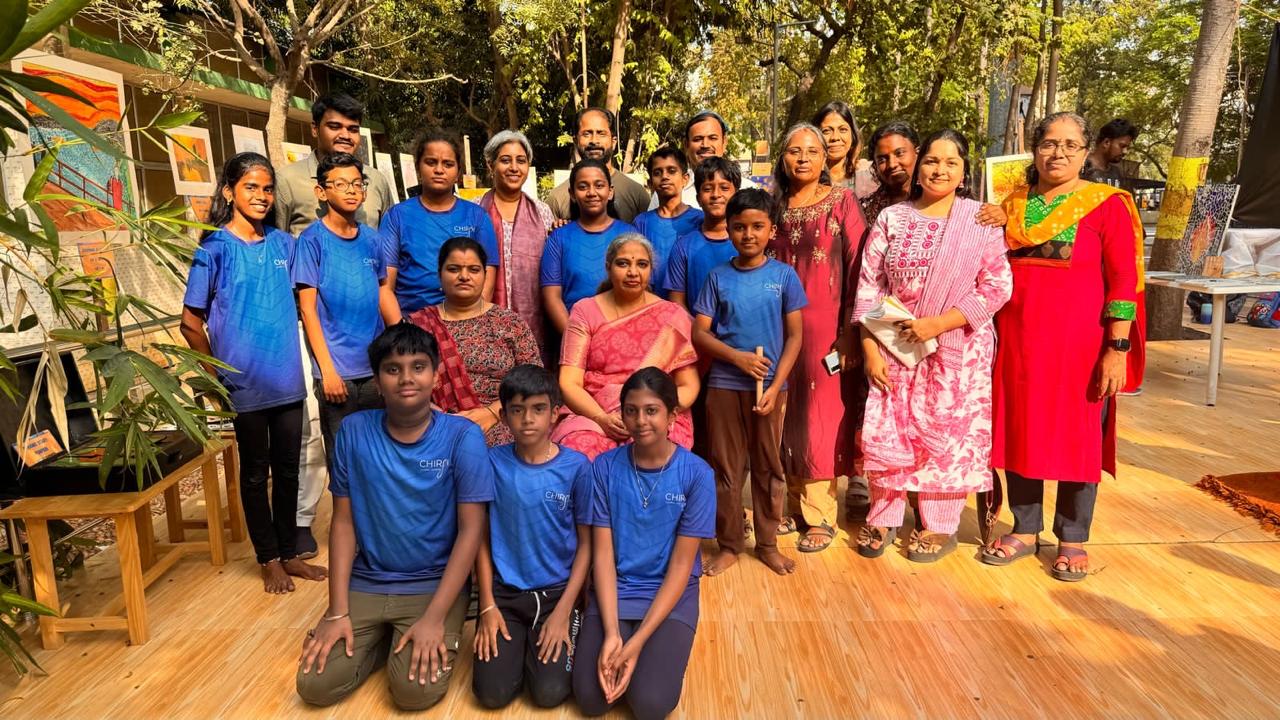
Community circles give children space to raise what matters — problems in their shared environment, things they want to change. Children lead. Adults are present. Service-based projects connect learners to real communities through NGOs and civic engagement. Children do not observe from a distance. They participate.
Real World Exposure
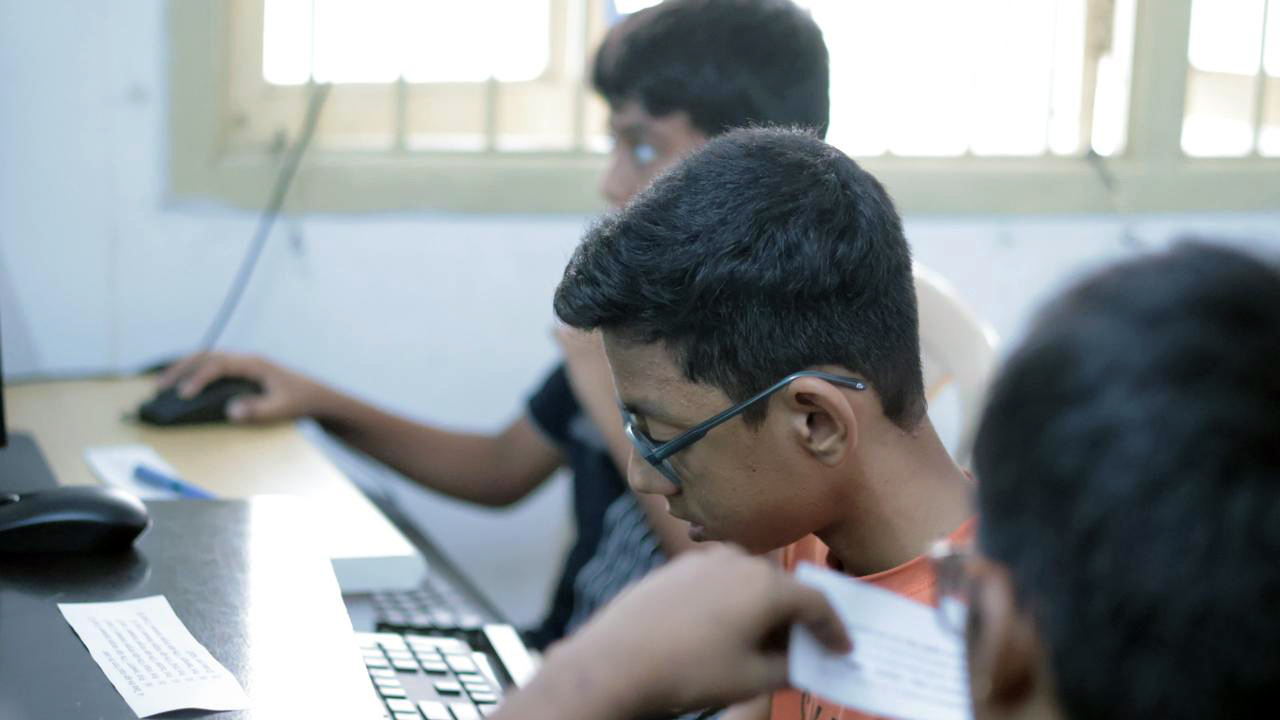
Once a month, professionals come in — technologists, artists, researchers, practitioners — bringing the reality of different fields directly into the environment. Industrial visits, farm visits, and extended trips take children out into the world they will one day be part of. Night stays build independence and community in ways a classroom cannot.
Assessments
Building readiness, not measuring fear.
Early Years
Assessment is entirely qualitative — observation, rubrics, documentation, and portfolios. A picture of who the child is as a learner, not a number. Progression is guided by readiness and depth of understanding — not by age, and not by speed.
From Grade 5
Graded assessments and external competitions are introduced gradually, with preparation. The purpose is to enable children engage with challenge confidently and without fear.
From Grade 9
Full preparation for NIOS or IGCSE — structured, mentored, and carried by adults who have known the child for years.